 +91 9846992789
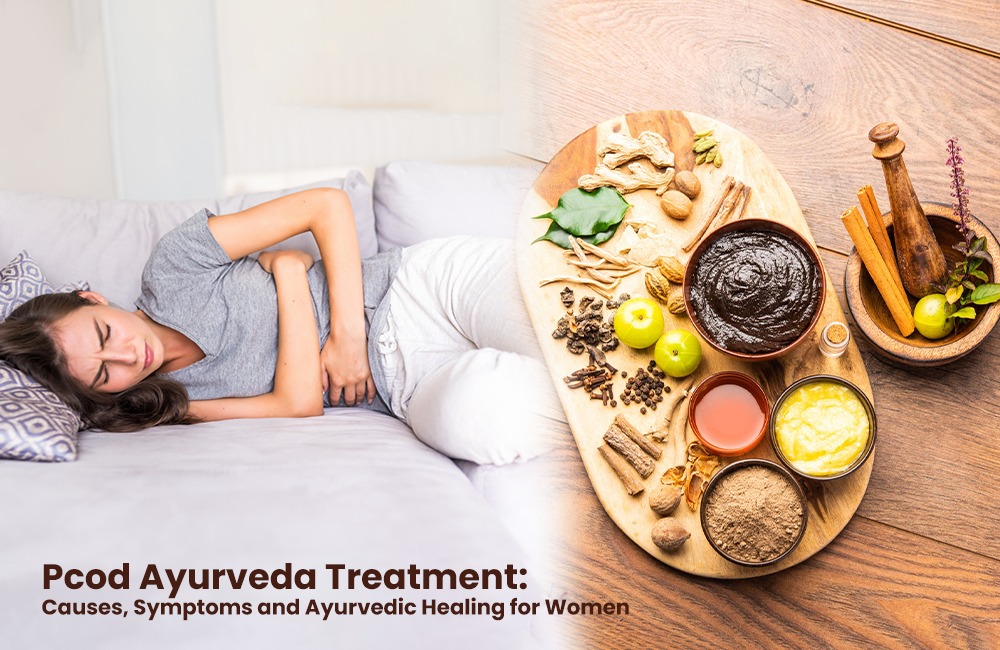
Polycystic Ovarian Disease (PCOD) is characterised by hormonal imbalance. Sedentary lifestyles, dietary changes and chronic stress are behind it. Many women seek natural remedies for PCOD to avoid the side effects of conventional medications (like birth control or metformin). Ayurveda focuses on the root causes of hormonal imbalances by treating the body as an interconnected system rather than managing symptoms.
What is PCOD?
Understanding Polycystic Ovarian Disease
Polycystic Ovarian Disease is a common endocrine and metabolic disorder where a woman’s ovaries produce immature or partially mature eggs that can turn into small cysts. High levels of androgens (male hormones) and insulin resistance caused by PCOD disrupt normal ovulation and cause physical and metabolic symptoms. A hormonal imbalance is a systemic issue involving abnormal levels of chemical messengers (like estrogen or testosterone). PCOD ayurveda treatment can help to correct the root cause.
PCOD vs PCOS: What’s the Difference?
| PCOD | PCOS | |
| Difference | Milder condition primarily caused by lifestyle and diet | More complex endocrine/metabolic disorder with long-term systemic risks |
| Severity | Milder and more common | More severe |
| Fertility impact | Ovulation still occurs irregularly, and most women can conceive naturally with simple lifestyle adjustments | Frequently causes infertility due to anovulation and may require long-term medical management and fertility treatments |
| Hormonal changes | Less severe hormonal disruption | More severe hormonal disruption |
| Treatment approach | Mostly manageable with diet | Long-term medical management |
What Causes PCOD?
Understanding the cause of PCOD helps determine the ayurvedic medicine for PCOD.
Modern Medical Causes
Insulin resistance: Cells that do not respond properly to insulin and the body produces extra insulin to compensate, which in turn spikes androgen production.
Hormonal imbalance: The ovaries produce higher-than-normal levels of androgens, which prevents the ovaries from releasing eggs regularly.
Genetics: Having a close family member with the condition or Type 2 diabetes significantly increases the risk.
Ayurvedic Perspective on PCOD
Dosha Imbalance (Kapha, Vata, Pitta): An imbalance in the three doshas disrupts hormonal and reproductive health.
Poor Agni (Digestive Fire): Weak digestion impairs metabolism and leads to improper nourishment of body tissues.
Ama (Toxins) Accumulation: Undigested toxins build up in the body and interfere with normal bodily functions.
Artava Vaha Srotas Blockage: Blockage of the reproductive channels affects menstrual health and ovarian function.
Getting the best ayurvedic treatment in Kerala helps you manage PCOD effectively.
Common Symptoms of PCOD in Women
Menstrual Symptoms
Irregular periods: Menstrual cycles that are inconsistent or unpredictable.
Missed periods: Skipping one or more menstrual cycles due to irregular ovulation.
Heavy bleeding: Excessive menstrual flow, especially after prolonged gaps between periods.
Physical Symptoms
Weight gain: Unexplained weight gain, particularly around the abdomen.
Acne: Persistent pimples caused by hormonal imbalances.
Excess facial hair: Increased hair growth on the face, chest, or body due to elevated androgen levels.
Hair thinning: Gradual hair loss or thinning on the scalp.
Dark skin patches: Areas of darkened skin, commonly around the neck, underarms, or groin.
Emotional Symptoms
Mood swings: Frequent changes in mood and emotional sensitivity.
Anxiety: Feelings of worry or nervousness linked to hormonal changes.
Stress: Increased mental and emotional strain due to symptoms and health concerns.
Low self-confidence: Reduced self-esteem caused by physical and emotional changes.
Fertility-Related Symptoms
Irregular ovulation: Infrequent or absent release of eggs from the ovaries.
Difficulty conceiving: Challenges in getting pregnant due to ovulation problems.
Natural treatment of PCOD includes addressing these symptoms.
Why is Ayurveda Effective for PCOD Management?
Ayurvedic medicine for PCOD is effective due to the following cause.
Root-Cause Healing Approach
Ayurvedic herbs such as Shatavari, Ashwagandha, and Shatapushpa are used to naturally balance female hormones and support ovulation. Ayurveda uses metabolism-boosting and anti-inflammatory herbs like Turmeric, Cinnamon, and Guduchi to manage blood sugar levels.
Benefits of PCOD Ayurveda Treatment
PCOD ayurveda helps restore hormonal balance and promotes more consistent periods. Ayurvedic treatment supports healthy metabolism and improves the body’s response to insulin. Through treatment you can maintain a healthy weight by improving digestion and metabolism. Also, these practices encourage regular ovulation and enhance reproductive health. Hormone-related skin issues and excessive hair loss can also be managed effectively.
PCOD Ayurveda Treatment: Holistic Healing Approach
PCOD ayurveda treatment involves methods such as:
Ayurvedic Diagnosis for PCOD
Pulse Diagnosis (Nadi Pariksha): Helps identify dosha imbalances and underlying health concerns.
Dosha Assessment: Evaluates the imbalance of Vata, Pitta, and Kapha to create a personalised treatment plan.
Lifestyle Evaluation: Reviews diet, sleep, stress levels, and daily habits that may contribute to PCOD symptoms.
Panchakarma Therapies for PCOD
Virechana Therapy: A detoxification therapy that helps eliminate toxins and supports hormonal balance.
Basti Therapy: Medicated enemas that help balance Vata dosha and support reproductive health.
Abhyanga: Therapeutic oil massage that reduces stress and improves blood circulation.
Swedana: Herbal steam therapy that stimulates metabolism and promotes detoxification.
Can Ayurveda Help Improve Fertility in Women with PCOD?
Balancing hormones can encourage regular ovulation and improve menstrual health. Ayurvedic therapies and lifestyle changes may support overall reproductive wellness and egg health. Detoxification, proper nutrition, and stress management help create a healthy environment for pregnancy. Personalised treatment plans address each woman’s unique symptoms and health needs.
How Long Does PCOD Ayurvedic Treatment Take?
Ayurvedic treatment of PCOD depends upon various factors.
Factors Affecting Recovery
Age: Younger individuals may respond more quickly to treatment.
Weight: Maintaining a healthy weight can improve treatment outcomes.
Hormonal Imbalance Severity: More severe symptoms may require a longer treatment period.
Lifestyle Habits: Diet, exercise, sleep, and stress levels significantly influence recovery.
Expected Timeline
First Month: Improvement in digestion, energy levels, and overall well-being.
Three Months: Better menstrual regularity and reduced symptoms such as acne and bloating.
Six Months and Beyond: Improved hormonal balance, weight management, and enhanced fertility support.
Common Mistakes That Worsen PCOD?
- Skipping meals
- Excess sugar intake
- Lack of sleep
- Chronic stress
- Self-medicating with herbs
- Sedentary lifestyle
When to Consult an Ayurvedic Doctor for PCOD?
- Irregular periods for several months
- Difficulty conceiving
- Rapid weight gain
- Severe acne or excessive hair growth
- Persistent hormonal symptoms despite lifestyle changes
PCOD is increasing in women and is affecting around 20% to 25% women in India. Fortunately, Ayurveda offers natural remedies for PCOD in women. It focuses on correcting weakened metabolic fire (Agni), balancing Kapha and Vata doshas, and clearing tissue blockages to restore natural ovulation. Restructuring your lifestyle habits by managing food, sleep, stress levels, and daily habits ensure to make a change in your condition. Professional consultation is required to prevent metabolic risks like diabetes and cardiovascular disease. Self-treatment is often ineffective and risky.
Omshree Sidha is the top ayurvedic hospital in Kerala, offering natural treatments for various diseases and illnesses. Contact us now to learn more about our PCOD Ayurvedic treatment options.