 +91 9846992789
Motor Neuron Disease (MND) is a group of progressive neurological disorders that damage the motor neurons – the nerve cells responsible for controlling voluntary muscle movements such as walking, speaking, swallowing, and breathing. As these neurons degenerate, muscles gradually weaken and waste away, leading to increasing disability. Muscle weakness worsens over months or years, severely affecting daily life. In Ayurveda, MND is not seen as a single disease but is correlated with conditions like Pakshaghata, Sarvangavata, Avarana Vata, and Mamsa-Kshaya, depending on the symptoms and progression. Ayurvedic treatment focuses on restoring balance to the Vata dosha, supporting nervous system function, and enhancing physical and mental wellbeing. At Omshree Sidha Hospital, our Motor Neuron Disease Ayurvedic treatment in Kerala offers a holistic, patient-centered approach designed to manage symptoms, improve mobility, and provide comprehensive care for those living with MND.
OmShree Sidha Hospital, Vayala P.O, Kottayam, Kerala, India.

-
Call us now
+914822229434 -
Kottayam, Kerala
Vayala P.O, 686587 -
Mon - Sunday
09.00am to 18.00pm

What is Motor Neuron Disease (MND)?
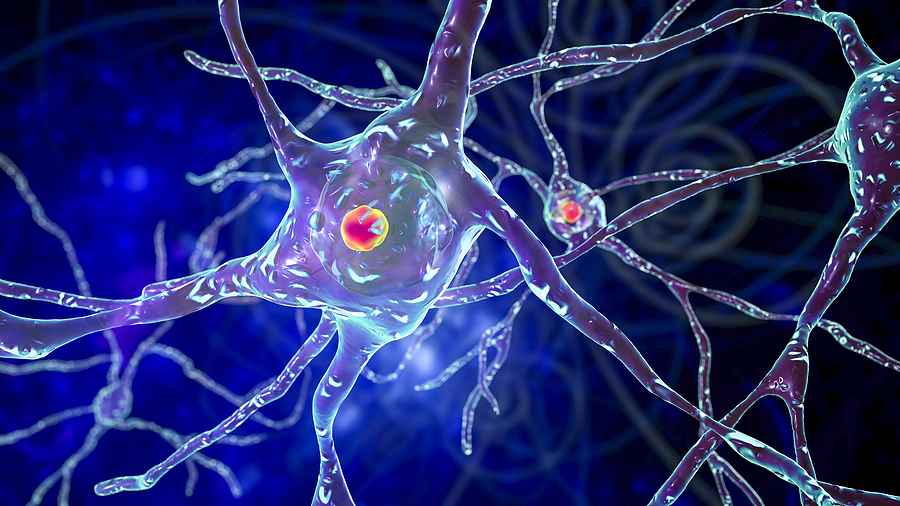
Causes of Motor Neuron Disease: Discover the Reasons Behind This Condition
From an Ayurvedic perspective, understanding the root cause is essential for managing Motor Neuron Disease effectively. Rather than focusing only on symptoms, Ayurveda emphasizes identifying internal imbalances that disrupt normal body functions.Motor neuron disease is an uncommon condition that most often affects people in their 40s and 70s, though adults of any age can develop it. As the condition progresses, the symptoms in the later stages of the different types of MND tend to become similar. Ayurvedic management of MND focuses on slowing disease progression, improving quality of life, strengthening nerves and muscles, and balancing Vata dosha, rather than offering a one-size-fits-all solution.
The exact cause of MND is unknown in most cases. However:
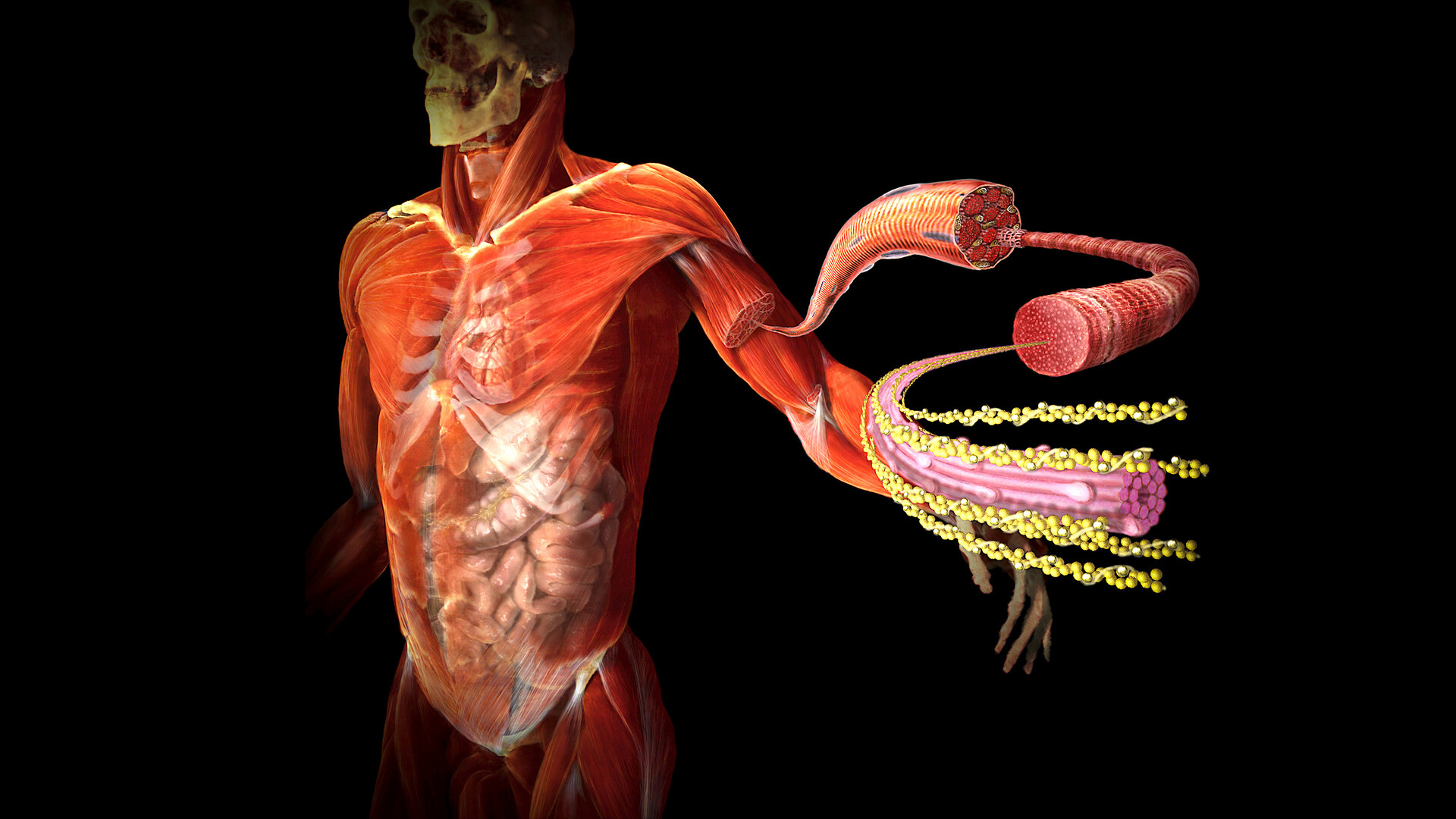
1. Genetic Causes (Inherited MND)
About 5–10% of Motor Neuron Disease (MND) cases are familial, meaning they run in families. These cases are linked to gene mutations that can damage motor neurons. The most common genes involved include SOD1, C9orf72, TARDBP, and FUS. Individuals with these mutations have a higher risk of developing MND, highlighting the role of genetics in the disease.
2. Sporadic (Non-Inherited) Causes
Around 90–95% of Motor Neuron Disease (MND) cases are sporadic, with no family history. The exact cause is unknown, but several factors contribute to its development. Glutamate toxicity over-stimulates nerve cells, causing excitotoxic damage. Oxidative stress from free radical imbalance harms proteins, DNA, and cell membranes. Mitochondrial dysfunction reduces energy production, leading to neuron degeneration, while abnormal protein aggregation—such as TDP-43 buildup—disrupts normal cell function. Additionally, chronic inflammation, immune system imbalance, and environmental risk factors like toxin exposure may increase the risk of MND. Understanding these factors is key for early detection and effective management.
3. Possible environmental triggers
Several environmental and lifestyle factors may increase the risk of Motor Neuron Disease (MND). These include exposure to toxins such as heavy metals and pesticides, smoking, head injuries, viral infections, and prolonged physical stress, including military service in some cases. Age and gender also play a role, with MND most commonly developing between 40 and 70 years of age and being slightly more common in men than women.
Ayurvedic Approach to MND Treatment
Ayurvedic management of MND focuses on slowing disease progression, improving quality of life, strengthening nerves and muscles, and balancing Vata dosha, rather than offering a one-size-fits-all solution.
Root Cause–Based Treatment
Ayurveda focuses on identifying key imbalances such as Vata aggravation, toxin accumulation (Ama), weak digestion (Agni Mandya), and nervous tissue degeneration. Treatment is individualized based on the patient’s Prakriti (body constitution), age, stage of the disease, and specific symptoms, ensuring a personalized and holistic approach to care.
Internal Herbal Medicines
Classical and proprietary Ayurvedic formulations are used in MND to nourish nerve tissues (Majja Dhatu), improve muscle strength, enhance neuromuscular coordination, and reduce stiffness, cramps, and tremors. Commonly used herbs include Ashwagandha for neuroprotection and muscle support, Bala for nerve nourishment, Brahmi and Shankhapushpi for brain and nerve health, and Guduchi to boost immunity and promote tissue regeneration.
Panchakarma Therapies
Panchakarma therapies play a key role in managing MND, particularly Vata disorders. Treatments like Abhyanga (medicated oil massage) improve circulation and reduce muscle stiffness, while Swedana (herbal steam therapy) enhances mobility. Basti (medicated enema) nourishes the nervous system, and Pizhichil or Kizhi strengthens muscles and slows degeneration. Combined with external oil applications, specialized therapies, and supportive physiotherapy, these Ayurvedic approaches help maintain muscle health and support overall nerve function.
Diet and Lifestyle Guidance
A Vata-pacifying diet is essential for managing MND, focusing on warm, nourishing, and easily digestible foods while avoiding dry, cold, and processed items. Adequate rest, stress reduction, and gentle yoga or breathing exercises (as tolerated) further support treatment.
How Motor Neuron Disease Affects the Body
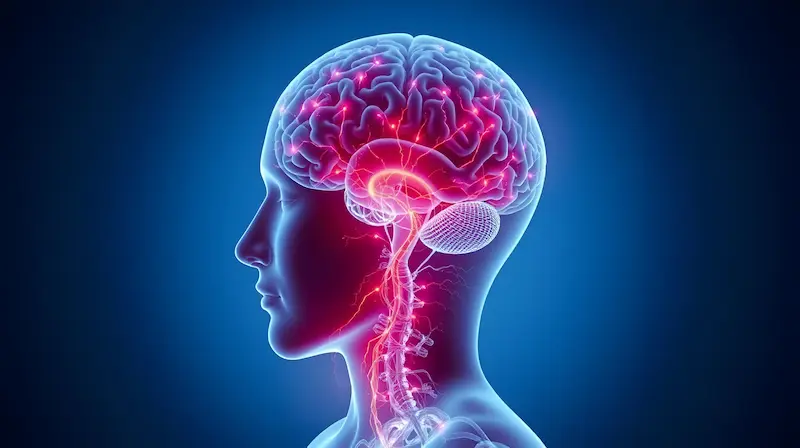
Ayurvedic treatment for Motor Neuron Disease is highly effective, and Omshree Siddha is the best hospital in Kerala for providing specialized Ayurvedic care for this condition. Motor neurons carry signals from the brain and spinal cord to the muscles. In MND:
✓ These neurons gradually lose function
✓ Muscles stop receiving proper signals
✓ Muscles become weak, stiff, and eventually paralyzed
✓ Sensory functions (pain, touch, vision, hearing) are usually not affected
The main types of Motor Neuron Disease
✓ Amyotrophic lateral sclerosis (ALS)
✓ Progressive bulbar palsy (PBP)
✓ Progressive muscular atrophy (PMA)
✓ Primary lateral sclerosis (PLS)
✓ Spinal Muscular Atrophy (SMA)
Motor Neuron Disease (MND) refers to a group of progressive neurological disorders that damage motor neurons — the nerve cells responsible for controlling voluntary muscle movements such as walking, speaking, swallowing, and breathing. Healthcare providers classify MNDs based on whether they affect upper motor neurons, lower motor neurons, or both. Each type has unique clinical features and progression patterns.
Amyotrophic Lateral Sclerosis (ALS)
Amyotrophic lateral sclerosis (ALS) is the most common and aggressive form of MND. It affects both upper and lower motor neurons, leading to progressive muscle weakness, stiffness, muscle wasting, and loss of voluntary control. Also known as Lou Gehrig’s disease, ALS eventually causes paralysis and respiratory failure. Many clinicians use the terms ALS and MND interchangeably due to its prevalence.
Progressive Bulbar Palsy (PBP)
Progressive bulbar palsy (PBP) primarily affects the lower motor neurons of the brainstem, also called the bulbar region. This area controls muscles involved in speech, chewing, swallowing, and facial movements. Early symptoms include slurred speech, choking, difficulty swallowing, and facial weakness. PBP may occur independently or as part of ALS progression.
Primary Lateral Sclerosis (PLS)
Primary lateral sclerosis (PLS) affects only upper motor neurons and usually progresses slowly. Symptoms typically begin in the legs, causing muscle stiffness, spasticity, and difficulty walking. Over time, the condition may spread to the arms, trunk, and bulbar muscles, affecting speech and swallowing. Life expectancy is often longer compared to ALS.
Progressive Muscular Atrophy (PMA)
Progressive muscular atrophy (PMA) involves only lower motor neurons. It is more common in men and often begins at a younger age. Early signs include muscle weakness and wasting, especially in the hands. The weakness gradually spreads to the legs, torso, and respiratory muscles. Some PMA cases may later evolve into ALS.
Spinal Muscular Atrophy (SMA)
Spinal muscular atrophy (SMA) is a genetic motor neuron disease caused by mutations in the SMN1 gene, leading to a deficiency of the survival motor neuron (SMN) protein. This results in progressive degeneration of lower motor neurons, causing severe muscle weakness and atrophy. SMA is the most common genetic cause of infant mortality, though milder forms appear in adolescence or adulthood.
Kennedy’s Disease
Kennedy’s disease, also known as spinal and bulbar muscular atrophy, is an inherited X-linked disorder affecting males. It results from mutations in the androgen receptor gene. Symptoms develop slowly and include weakness of the shoulders, hips, arms, and legs, along with muscle cramps, tremors, pain, and sensory disturbances.
Post-Polio Syndrome (PPS)
Post-polio syndrome (PPS) occurs in individuals who previously recovered from poliomyelitis, often 30–40 years later. It develops due to gradual deterioration of motor neurons damaged during the original infection. Symptoms include progressive muscle weakness, fatigue, muscle atrophy, joint pain, twitching, and intolerance to cold.
Symptoms of Motor Neuron Disease
Muscle weakness and stiffness
In arms, legs, hands, or feet, causing difficulty walking, climbing stairs, or holding objects
Muscle twitching and cramps
Including fasciculations, spasms, and painful tightening of muscles.
Speech, swallowing, and breathing problems
Slurred or nasal speech, difficulty swallowing, and trouble breathing in advanced stages.
Fatigue, weight loss, and emotional changes
Thinning muscles, disturbed sleep, mood swings, and pseudobulbar affect (involuntary laughing or crying).
Cognitive and neurological effects
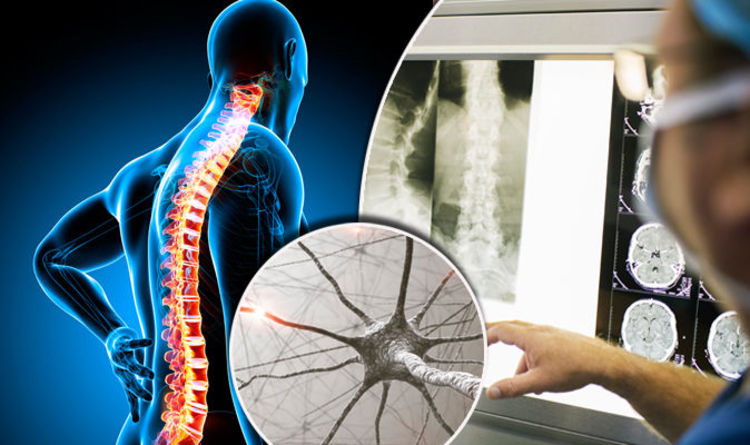
Including neurological exams, EMG, nerve conduction studies, MRI, and sometimes blood or genetic tests; early detection is key for effective care.
Diagnosis requires multiple tests
Including neurological exams, EMG, nerve conduction studies, MRI, and sometimes blood or genetic tests; early detection is key for effective care.
Prevention of Motor Neuron Disease

Preventing Motor Neuron Disease (MND) can be challenging, as it often develops without warning. However, adopting healthy lifestyle practices may help reduce risk and support overall nerve health.
Holistic Strategies for Prevention:
✓ Maintain a healthy lifestyle – balanced diet, regular activity, and proper rest.
✓ Avoid smoking – protects nerve health and overall wellness.
✓ Limit alcohol consumption – reduces toxin load on the body.
✓ Manage stress – through meditation, yoga, or relaxation techniques.
✓ Minimize exposure to environmental toxins – such as heavy metals, pesticides, and harmful chemicals.
By following these practices, individuals can support nervous system health and overall well-being.
What We Offer for Motor Neuron Disease Treatment
There is no single test to diagnose Motor Neuron Disease (MND), and doctors usually rely on a combination of assessments, including a detailed neurological examination, electromyography (EMG), nerve conduction studies, MRI scans to rule out other conditions, and blood or genetic tests in selected cases. Early and accurate diagnosis is essential for planning effective care and ensuring the best possible outcomes. Currently, there is no permanent cure for MND, so treatment focuses on slowing disease progression, managing symptoms, and improving quality of life. Medical management may involve medications to slow disease progression, muscle relaxants for stiffness and cramps, and medicines for saliva control and pain relief. Supportive and rehabilitative care, including physiotherapy, speech and language therapy, nutritional support, and respiratory assistance when required, plays a vital role in maintaining mobility and overall health. At this stage, while a complete cure may not always be possible, we are confident that our specialized treatment at Omshree – the best Ayurvedic hospital in Kerala can bring noticeable and meaningful improvement within one to two months. Your trust matters to us. By carefully following all medical instructions, taking the prescribed medicines in the correct dosage and at the recommended time, and undergoing Panchakarma therapies as advised by our experienced doctors, you can experience real progress. If you do not notice improvement despite following the treatment plan, you will not be required to pay any amount.Our approach is simple and ethical: results come first, payment comes later. We provide the best Ayurvedic treatment for Motor Neuron Disease, focusing on holistic care that balances Vata, nourishes nerves, and supports overall health. At Omshree, patients receive safe, transparent, and patient-friendly care, ensuring both effectiveness and peace of mind throughout their healing journey.
At Omshree Sidha Hospital, we provide specialized and well-structured treatment for MND with the clear objective of improving the patient’s condition and quality of life. While 100% recovery may not be possible in every case, our treatment has consistently delivered significant and meaningful improvement—often beyond the expectations of patients and families. Based on our extensive experience, patients show steady day-by-day progress, and visible improvement is usually observed within one to two weeks. With continued treatment, noticeable and sustained improvement is confidently expected within one to two months. We stand firmly behind our treatment. If the patient strictly follows all medical instructions, takes the prescribed medicines in the correct dosage and timing, and undergoes Panchakarma therapies as advised by our experienced doctors, improvement will be evident. In the rare event that no improvement is seen within one to two weeks, no payment is required for that period. Payment is taken only after improvement is clearly confirmed. Thereafter, charges are payable on a weekly advance basis. No advance payment is required. Our commitment is simple and transparent: treatment first, results next, and payment only after visible improvement. This assurance reflects our confidence in the treatment and our patient-first, ethical approach.
FAQs
Is Ayurvedic treatment effective for Motor Neuron Disease?
Yes. Ayurvedic treatment at Omshree Siddha focuses on slowing disease progression, reducing stiffness and cramps, improving mobility, and enhancing overall quality of life using a holistic, personalized approach.
What therapies are used in Ayurveda for MND?
Key therapies include Panchakarma treatments such as Abhyanga (medicated oil massage), Swedana (herbal steam therapy), Basti (medicated enema), and Pizhichil/Kizhi. These help strengthen muscles, nourish nerves, and improve circulation.
How long does it take to see improvement with Ayurvedic treatment?
Patients may notice meaningful improvements within 1–2 months when they follow the prescribed treatment plan, medicines, and therapies. Progress depends on the stage of MND, age, and individual response.
Why choose Omshree Siddha for MND treatment in Kerala?
Omshree Siddha is recognized as the best Ayurvedic hospital in Kerala for MND care, offering safe, ethical, and patient-friendly treatments. The hospital combines expert doctors, specialized therapies, and personalized care plans to provide the most effective Ayurvedic management of Motor Neuron Disease.