 +91 9846992789
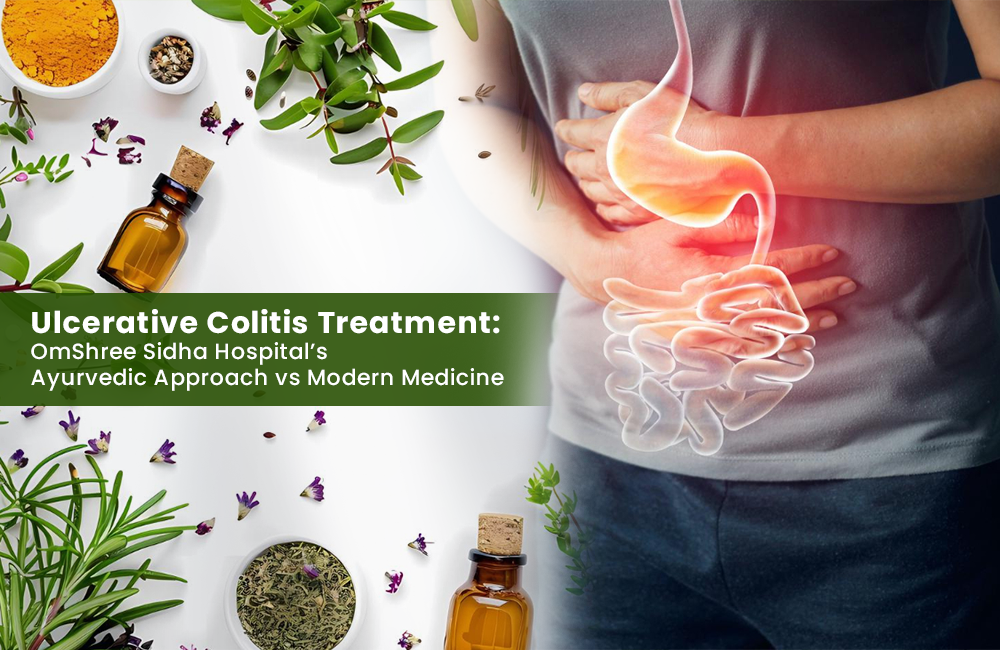
Ulcerative Colitis Treatment: OmShree Sidha Hospital’s Ayurvedic Approach vs Modern Medicine.
Ulcerative colitis is a chronic inflammatory condition of the large intestine that causes significant discomfort and life‐altering symptoms. In recent years, many patients have sought integrative healing modalities beyond conventional medicine. Ayurveda, an ancient system of medicine rooted in balancing the body’s bioenergetics, has emerged as a promising approach. This article examines ulcerative colitis from both a modern clinical perspective and an Ayurvedic one, focusing particularly on the treatment protocols and patient-centric strategies employed by Omshree Sidha Hospital (Multi-speciality Ayurveda Hospital and research Centre) in Kerala, India. Through an exploration of symptoms, probable causes, the Ayurvedic philosophy emphasizing dosha balance, and the innovative payment model, this evaluation offers a comprehensive insight into the potential benefits of holistic health solutions.
Overview of Ulcerative Colitis
Ulcerative colitis is classified as an Inflammatory Bowel Disease (IBD) that primarily affects the large intestine, resulting in ulceration, persistent inflammation, and complications that include bloody diarrhoea, abdominal cramps, and fever. The array of symptoms generally includes:
• Abdominal pain or cramps
• Blood in stools persisting for weeks
• Diarrhoea and frequent urgent bowel movements
• A sensation of incomplete evacuation (tenesmus)
• Rectal pain, weight loss, anemia, and general malaise
• Occasionally, nausea and fever in severe cases
The ethology of ulcerative colitis is multifactorial. Contributing factors may include poor dietary habits, genetic predisposition, high levels of stress, smoking, and recurrent infections. In modern medicine, ulcerative colitis is understood as an immune-mediated disease; however, Ayurveda offers an alternative explanatory model that focuses on internal imbalances, particularly within the digestive fire or “Agni,” and an aggravation of the Pitta dosha.
Ayurvedic Approach to Ulcerative Colitis
Ayurveda conceptualizes ulcerative colitis as a disorder resulting from an imbalance of the doshas, with an excessive aggravation of the Pitta dosha often at the core of the disease. According to Ayurvedic texts, a poorly functioning Agni (digestive fire) is considered the root cause, leading to the accumulation of toxins (ama) and subsequent inflammation in the gut. The therapeutic approach involves:
• Balancing the Doshas: Personalized regimens aim to restore equilibrium, focusing on mitigating Pitta while harmonizing the other doshas.
• Digestive Strengthening: Enhancing the function of Agni through herbal formulations, dietary modifications, and lifestyle changes reinforces overall gut health.
• Detoxification and Rejuvenation: Panchakarma and other detox techniques are used to purge accumulated toxins, thereby paving the way for tissue rejuvenation and more efficient metabolism.
• Root Cause Treatment: Unlike conventional methods that may focus solely on symptom relief, Ayurveda seeks to address the underlying imbalance, providing sustainable health benefits that extend beyond the immediate alleviation of symptoms.
This comprehensive and patient-centric approach has not only been effective in managing symptoms but also in reducing the long-term risk of complications often seen in ulcerative colitis.
Omshree Sidha Hospital: A Detailed Evaluation
Hospital Background and Healing Legacy
Omshree Sidha Hospital, located in Vayala, Kottayam, Kerala, is renowned for its rich Ayurvedic heritage spanning over 140 years. Founded by Sri Kochukutty Vaidhyar in the 1880s, the hospital has built a reputation on the pillars of traditional healing, research-based Ayurveda, and government-recognized treatment protocols. The serene, nature-rich environment of Kerala further enhances its therapeutic ambiance, promoting both physical recovery and mental calm.
Holistic Treatment Protocol for Ulcerative Colitis
At Omshree Sidha Hospital, the treatment protocol for ulcerative colitis is deeply rooted in Ayurvedic principles. Our treatment strategy is not merely about managing symptoms but focuses on a curative, root-cause approach that involves:
• Personalized Herbal Formulations: Custom-tailored herbal medications are administered to balance the doshas and improve Agni, thereby addressing the core disturbances that lead to ulcerative colitis.
• Panchakarma Detoxification: This critical process of internal purification is considered a prerequisite for nearly all other therapies. Panchakarma techniques, including Basti (medicated enema) Virechana (therapeutic purgation, typically during remission), Abhyanga (massage) and supportive therapies like Shirodhara for stress management and other detox measures, helps to eliminate toxins, improve blood circulation, and rejuvenate tissues.
• Dietary and Lifestyle Counselling: Patients receive detailed nutritional guidance and lifestyle consultations to ensure that dietary habits support a balanced internal environment conducive to healing.
• Comprehensive Support Measures: The treatment plan often includes counselling on stress management, physical activity modifications, and other supportive therapies designed to enhance overall quality of life.
Omshree Sidha Hospital’s treatment protocol for ulcerative colitis treatment in Kerala aims not only to relieve the patient’s current symptoms but also to restore long-term digestive health and vitality.
Recovery Time and Expected Outcomes
Omshree Sidha Hospital guarantees significant improvements in ulcerative colitis symptoms within a defined timeframe. Specifically, assert that “we will cure you in 3 months’ time” for ulcerative colitis treatment in Kerala . The expected outcomes include:
• Cessation of abdominal pain, diarrhoea, bleeding, and fever
• Notable reduction or total resolution of inflammation in the large intestine
• Improved bowel function and overall quality of life
It is important to note that while 3 months is mentioned as a target for recovery, the exact treatment duration varies with individual patient conditions. Omshree Sidha Hospital clearly states that the specified duration on the website represents the expected minimal period required to achieve the expected level of recovery.
Payment Policy and Challenging Offer Scheme
A distinguishing feature of Omshree Sidha the best ayurvedic hospital in Kerala its patient-friendly payment policy, embodied in our “challenging offer” scheme. This innovative approach allows patients to experience the treatment without any initial financial commitments, based on the following conditions:
• Deferred Payment: Patients are not required to pay upfront for treatment charges or medicines. Instead, they provide a bank guarantee that covers the estimated treatment cost plus an additional 33%.
• Outcome-Based Payment: If a patient demonstrates at least an 80% improvement in symptoms—measured through specific clinical signs such as reduction in abdominal pain, cessation of diarrhoea and bleeding, and normalization of fever—the full payment becomes due. Conversely, if improvement is below the 80% threshold, the payment is prorated—for example, a 50% improvement necessitates paying only 50% of the treatment costs, while room rent and food charges are billed in full.
• No Payment for No Improvement: In instances where the condition shows no improvement, the patient owes nothing for treatment services, thereby instilling confidence in the treatment efficacy.
This outcome-based payment plan underscores the hospital’s commitment to curative care and offers a risk-free opportunity for patients to pursue Ayurvedic treatment for ulcerative colitis.
Visualizations and Comparative Analyses
Visual representations help in clarifying complex information on treatment protocols, recovery outcomes, and payment policies. Below are several visualizations that encapsulate the core features of Omshree Sidha Hospital’s approach to treating ulcerative colitis.
| Treatment Feature | Conventional Management | Omshree’s Ayurvedic Treatment |
|---|---|---|
| Approach | Symptom management, drugs | Holistic, root-cause treatment, detox |
| Focus on Agni and Dosha Balance | Limited consideration | Key focus (balancing Pitta; strengthening Agni) |
| Therapeutic Modalities | Corticosteroids, immunosuppressants | Panchakarma, herbal formulations, dietary regulation |
| Recovery Time | Variable, often long-term | Expected minimal improvement within 3 months |
| Payment Scheme | Pre-payment required | Outcome-based, deferred payment with money-back guarantee |
| Long-term Remission | Often managed with drugs | Aims at sustainable, curative healing |
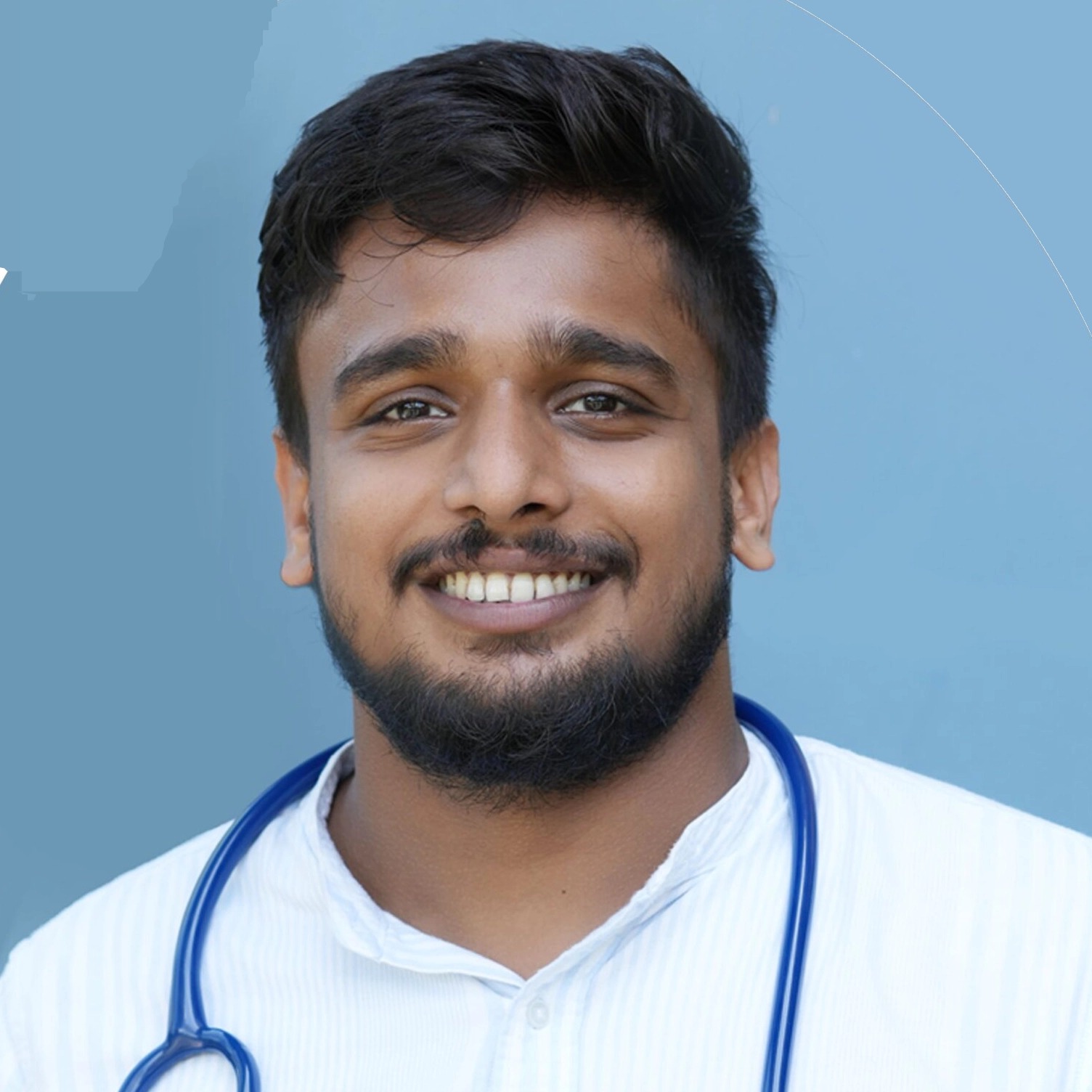
Dr. Susme M.J. is a BAMS-qualified Ayurvedic physician at OmShree Sidha Hospital, continuing the hospital’s four-generation legacy of Siddha and Ayurveda treatment rooted in Kottayam, Kerala.